Understanding Holistic Wellness — A Complete Guide to Whole-Person Health
Holistic wellness is an approach to health that goes far beyond simply treating symptoms. Instead of focusing only on physical complaints, holistic wellness considers the full picture of who you are — your body, mind, emotions, lifestyle, and even your sense of purpose. This perspective aims to help you achieve lasting health and well-being by addressing the root causes of discomfort rather than just masking symptoms temporarily.
What Is Holistic Wellness?
At its core, holistic wellness views health as a balance of several interconnected dimensions. When one area is neglected — such as emotional well-being or sleep quality — it can negatively impact other parts of your life. This differs from conventional medicine, which often focuses narrowly on physical symptoms without exploring underlying lifestyle or emotional factors. Holistic wellness encourages you to look at all parts of your life together to create a more complete and sustainable sense of health.
Key Dimensions of Holistic Health
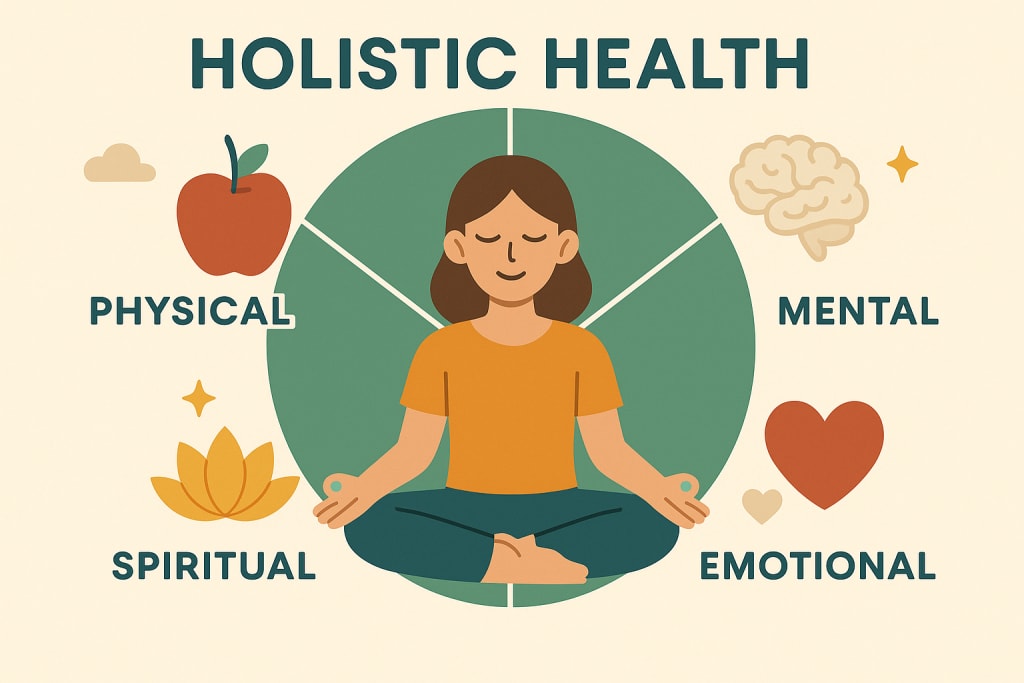
A holistic approach typically includes several essential components that work together:
- Physical Health: This involves caring for your body through proper nutrition, regular movement, adequate rest, and preventive health habits. Taking care of your physical health forms the foundation of holistic wellness.
- Mental Health: Your thoughts, stress levels, and cognitive patterns play a significant role in overall wellness. Holistic care may include stress management techniques and mental support to promote clarity and resilience.
- Emotional Health: Recognizing and understanding your emotional experiences — whether anxiety, sadness, joy, or resilience — helps you manage life’s challenges more healthily and effectively.
- Spiritual Health: Spiritual wellness isn’t necessarily religious; it can simply mean finding purpose, meaning, or connection in life, which supports overall well-being.
- Lifestyle Factors: Everyday patterns — like how you sleep, what you eat, your relationships, and habits — are all part of a holistic picture. Small adjustments in daily life can lead to big improvements in overall health.
Benefits of Choosing Holistic Wellness
By addressing the whole person rather than isolated symptoms, holistic wellness offers several advantages. People who adopt this approach often experience:
- Improved overall well-being
- Better emotional balance and reduced stress
- Enhanced sleep quality
- Fewer chronic health issues
- Greater self-awareness and prevention
- Personalized, proactive care instead of reactive treatment.
This approach encourages individuals to take an active role in their wellness journey, making informed lifestyle changes and building habits that support health over the long term.
Holistic vs. Conventional Medicine
One of the main differences between holistic care and traditional medical care is focus. Conventional medicine often focuses on diagnosing and treating specific symptoms — such as using medication to reduce pain or lower blood pressure. While this is valuable when immediate treatment is needed, it may not always look at broader factors like stress, diet, or emotional support. Holistic wellness, on the other hand, seeks to understand and address why issues are happening in the first place, helping you develop healthier patterns for life.
Conclusion
Holistic wellness is a comprehensive way of looking at health that recognizes your physical, emotional, mental, spiritual, and lifestyle factors as interconnected parts of your overall well-being. By addressing all these areas together, holistic wellness encourages a balanced life, long-term health improvements, and a deeper understanding of your unique needs. Instead of just relieving symptoms, it promotes a proactive path to lifelong health and happiness.

