Introduction: Why Holistic Wellness Matters
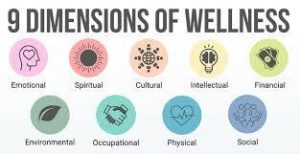
Holistic wellness is more than a trendy phrase — it’s a balanced way of living that focuses on your entire self: body, mind, emotions, and spirit. Rather than treating symptoms alone, holistic wellness seeks to encourage good habits that promote long‑term health and balance. This means nurturing physical habits like nutrition and movement, as well as mental and emotional practices such as mindfulness and self‑awareness.
In today’s fast‑paced world, stress, poor sleep, and unhealthy habits are common. Holistic wellness helps you take a step back and see your health in a complete context, which can lead to powerful, lasting improvements.

1. Enhanced Physical Health
One of the most obvious benefits of holistic wellness is its positive effect on your body. A balanced lifestyle that includes proper nutrition, regular exercise, and restful sleep supports your body’s natural functions — from immune defense to energy production.
Instead of just masking symptoms, holistic practices aim to prevent issues before they start by encouraging habits like balanced eating and routine activity. Over time, these habits can lower the risk of chronic illnesses, improve digestion, boost energy, and enhance physical resilience.
2. Improved Mental Clarity and Focus
Mental performance is just as important as physical health. Holistic wellness practices like meditation, journaling, or breathwork help clear your mind, improve concentration, and reduce mental fog.
Mind‑related benefits include improved memory, better decision‑making, and greater mental flexibility — all of which help you handle daily tasks with greater ease. These practices also foster mental peace, which can reduce anxiety and help you stay centered even under pressure.
3. Emotional Balance and Stress Relief
Emotional well‑being is about understanding and managing your feelings. Holistic wellness emphasizes practices that help you cope with stress healthily — such as meditation, mindfulness, and self‑reflection.
Managing stress is essential because chronic stress can affect your physical health, immune system, and mood. By learning to calm your mind and balance your emotions, you’re more equipped to handle life’s challenges with resilience.
4. Stronger Sense of Purpose
Holistic wellness encourages you to look inward and understand what matters most to you. Whether this comes through spiritual practices, meditation, time in nature, or community participation, it helps you develop a stronger sense of meaning in life.
People with a clear sense of purpose often report feeling more fulfilled, motivated, and energized — even in everyday tasks. This inner foundation supports emotional and psychological well‑being over the long run.
5. Better Stress and Anxiety Management
Stress and anxiety are major health issues around the world. Holistic wellness helps by incorporating calming habits — such as yoga, breathing exercises, and meditation — that reduce the physical and emotional effects of stress.
These practices can lower stress hormone levels, support relaxation, and strengthen your ability to bounce back from tension. Over time, this improves both emotional balance and physical wellness.
6. Increased Self‑Awareness and Personal Growth
A major advantage of holistic wellness is the development of self‑awareness. When you pay attention to how your habits affect your body and mind, you learn what makes you feel balanced, energized, or stressed.
Self‑awareness leads to better lifestyle choices — whether it’s knowing which foods support your energy, which exercises make you feel good, or which habits drain your emotional reserves. As a result, you grow emotionally and spiritually, not just physically.
7. A More Balanced Lifestyle Overall
Holistic wellness doesn’t focus on shortcuts. Instead, it encourages lasting habits that improve your quality of life. By caring for your body, mind, emotions, and spirit together — not separately — you build a balanced lifestyle that supports long‑term health.
This balance often leads to greater harmony, reduced burnout, and a deeper connection to yourself and others. People who embrace holistic wellness often report feeling more aligned, less stressed, and more in control of their health journey.
Practical Ways to Experience These Benefits
If this sounds meaningful, here are a few ways to start incorporating holistic wellness benefits into your life today:
-
Move your body daily: Even a 20‑minute walk can boost your physical and emotional health.
-
Eat balanced, whole foods: Focus on nutrient‑rich meals that fuel your day.
-
Practice mindfulness: Five minutes of meditation or deep breathing can ease stress.
-
Engage in reflective activities: Journaling or gratitude exercises help process emotions.
-
Connect with others: Spend time with supportive people who uplift you.
Conclusion
Holistic wellness isn’t just about feeling better in the moment — it’s like building lasting health foundations that support your body, mind, heart, and spirit. By adopting holistic habits, you’ll not only experience enhanced physical health and stress relief but also find emotional balance, self‑awareness, and a deeper sense of purpose in daily life. This complete approach to well‑being encourages you to take charge of your health and enjoy a more fulfilling, balanced life — every single day.

